Sure we can, but should we?
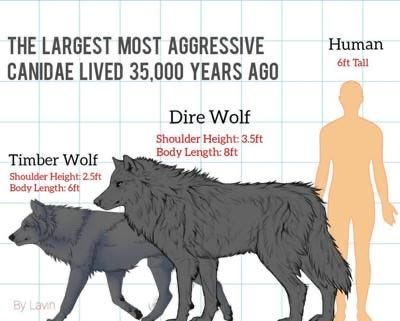
Dire wolves were, in fact, real wolves. Probably due to the fantasy nature of the species “Dire Wolf”, someone likely wanted to bring them back from the dead, We have the technology but should we bring them back because we can?
Revival of the Dire Wolf: An Innovative Approach
Overview of Colossal Biosciences
Colossal Biosciences has emerged as a groundbreaking biotechnology company with the audacious goal of reviving extinct species. Founded in 2021, the company’s scientific team, led by notable figures in genetics and biotechnology, has pioneered a series of innovative techniques that focus on resurrecting species like the woolly mammoth and now the dire wolf. The organization’s mission is deeply rooted in both advancing scientific understanding and addressing the urgent need for biodiversity conservation. With significant funding from both private investors and public interest, Colossal aims to blend cutting-edge genetic science with environmental stewardship.
Techniques Used in Genome Editing
The ambitious endeavor to bring back the dire wolf depended on advanced techniques in genome editing and cloning. Colossal’s scientists extracted ancient DNA from dire wolf fossils, some of which date back 72,000 years. By comparing this ancient DNA with the genome of the gray wolf, its closest living relative, researchers identified critical genetic variants responsible for traits unique to dire wolves. Using CRISPR technology, they meticulously edited the gray wolf genome to include these variations, resulting in a new genetic blueprint intended to recreate the appearance and characteristics of the long-extinct species.
The process involved cloning techniques where edited cells were inserted into the eggs of domestic dogs, which served as surrogate mothers. This resulted in the birth of three dire wolf pups: Romulus, Remus, and Khaleesi. The pups exhibit physical features reminiscent of their prehistoric ancestors, including size and coat characteristics.
Characteristics of the New Dire Wolf Pups
The new dire wolf pups are an intriguing blend of ancient lineage and modern science. Having been born under careful monitoring in a secure facility, these animals are characterized by their considerable size and distinct behavior. At only six months old, they are nearly four feet long and can weigh up to 80 pounds. In behavior, they still retain the wild instincts typical of wolves, lacking the sociable traits seen in domesticated dogs.
While genetically showing only minor distinctions from gray wolves — approximately 99.5% shared DNA — the dire wolf pups are an embodiment of an ambitious scientific project that has redefined what it means to resurrect a species. Their birth represents a critical step in understanding how ancient traits might be integrated into modern animal populations.
Implications for Conservation and Biodiversity
Potential to Aid Endangered Species
The revival of the dire wolf is not merely a showcase of technological prowess; the implications for conservation are profound. By developing techniques that allow for the resurrection of extinct species, Colossal Biosciences has opened pathways for the restoration of endangered animals.
For instance, the methodologies perfected in creating dire wolves are anticipated to assist in reviving genetic diversity within critically endangered species like the red wolf.
As Colossal expands its research, there lies the potential for the application of these technologies to restore viable populations of various endangered species by reintroducing genetic founders into existing populations, thereby enhancing their robustness.
Restoration of Genetic Diversity
One of the most pressing concerns among wildlife biologists is the loss of genetic diversity, which can severely limit a species’ ability to adapt to changing environments. The techniques employed in reviving the dire wolf could be adapted to bolster the genetic diversity of existing endangered species, combating issues caused by inbreeding and habitat loss. This could pave the way for more resilient populations, better equipped to survive in increasingly challenging ecosystems.
Risks of Reintroducing Extinct Species
However, the reintroduction of extinct species is fraught with challenges and risks. The ecological implications of introducing a newly revived species are complex, and there are concerns about how the dire wolves may interact with current ecosystems. There remains the possibility that these creatures, while genetically akin to their predecessors, may not fulfill the same ecological roles due to changes in habitats, availability of prey, or competition from existing species.
Moreover, history is replete with examples of introduced species becoming invasive, resulting in unintended ecological consequences.
Therefore, careful consideration and planning are paramount in assessing whether reintroductions would truly benefit conservation efforts or disrupt existing ecosystems.
Ethical Considerations in De-extinction
Justice and Ecological Responsibility
The ethical dilemmas surrounding de-extinction are as complex as the scientific processes involved. Advocates argue that reviving extinct species could serve as a form of ecological justice, rectifying the past wrongs inflicted by human actions that led to their extinction.
However, this raises vital questions about responsibility, particularly regarding whether this pursuit could divert resources or attention away from currently endangered species that are struggling for survival.
Potential Animal Welfare Issues
One of the most pressing ethical considerations lies in animal welfare. Critics point to concerns that the genetic modifications and cloning processes might lead to unforeseen health issues in the revived animals. The history of cloning technology has been marred by instances of serious health problems and reduced life expectancies in clones. Without thorough understanding and careful implementation, reviving species could result in suffering rather than fostering thriving populations.
The Limits of Technological Intervention
While the advancements in genetic engineering demonstrate significant potential for restoration, there remains a pertinent question about the limits of technology in conservation. The technological triumph of resurrecting a species does not address the underlying causes of extinction, such as habitat destruction, climate change, and human encroachment. Relying on technological fixes could undermine essential conservation efforts that focus on protecting and restoring current ecosystems.
Future of De-extinction Technologies
Ongoing Projects Beyond Dire Wolves
Colossal Biosciences is not halting its ambitions with the dire wolf. The company is actively pursuing the revival of other famous extinct species, such as the woolly mammoth and the dodo. Each project aims to refine the genetic editing processes and develop technologies that could have broader applications in the field of conservation. However, the success of these projects remains contingent on both scientific advancements and public acceptance of de-extinction as a viable conservation strategy.
Concerns Over Ecosystem Integrity
As the technology to de-extinct species evolves, so too do the concerns about maintaining ecosystem integrity. The interplay between revived species and existing ecosystems poses significant uncertainties that require ongoing research. The delicate balance of life within ecosystems may be disrupted, and thus, it is critical for scientists and policymakers to proceed cautiously, ensuring that the introduction of new organisms does not unintentionally harm current wildlife populations.
The Balance of Innovation and Responsibility
Striking a balance between scientific innovation and ethical responsibility will define the future of de-extinction. The potential benefits of reviving species must be measured against the risks and ethical implications. As humanity stands at the crossroads of technological advancement and ecological responsibility, the choices made today will inevitably shape the biodiversity landscape of tomorrow.
In conclusion, the resurrection of the dire wolf represents not just a leap forward in biotechnology but also a clarion call for responsible stewardship of the environment. The lessons learned from this endeavor may influence broader efforts to preserve biodiversity and restore ecosystems for generations to come.
What do you think? Should extinct animals be brought back at this moment? Please comment.
Reference