Remarkable Women of the High Seas
Throughout the ages, tales of piracy have predominantly highlighted male figures, casting women in shadowy roles or entirely excluding them from the narrative.
Nevertheless, the occurrence of female pirates is both intriguing and significant. Women did embark on maritime escapades, defying societal norms and gender expectations of their time. Approximately a hundred known female pirates have traversed the seas, with around forty active during piracy’s Golden Age (1650 to 1720). Their exploits reveal not only their adventurous spirits but also the complexities surrounding gender norms in a world dominated by men.
Women became pirates out of necessity, passion, or a quest for freedom. Some disguised themselves as men to secure their positions aboard ships. This subterfuge was essential, as the culture of seafaring often viewed women as bad luck — a superstition that barred their presence on many vessels. Yet, these daring women challenged conventions, often amplifying their notoriety through their audacity on the high seas.
Notable Female Pirates and Their Impact
Among the most notable female pirates are figures such as Anne Bonny, Mary Read, Grace O’Malley, and Ching Shih. Each of these women made significant contributions to piracy and left behind legacies that continue to captivate modern audiences.
- Anne Bonny and Mary Read, both skilled fighters and cunning strategists, sailed under the notorious Captain Calico Jack Rackham. Their story intertwines romance and rebellion, demonstrating that women could be both fierce and adventurous.
- Grace O’Malley, known as the Pirate Queen of Ireland, commanded a fleet of ships and overtly defied English rule in Ireland. Her boldness and political acumen underscore the vital, if often overlooked, roles women played in maritime history.
- Ching Shih, who commanded the Red Flag Fleet, was exceptionally potent and notorious. Her leadership style, strict codes, and policies reflected not only her prowess as a pirate but also hinted at the organizational skills behind her success. She was the most successful pirate of all time.
Overview of Gender Norms in Piracy
The era’s gender norms significantly influenced the lives and legacies of female pirates. Traditionally, women were thought to invite calamity onto ships, a belief that persisted across cultures.
Consequently, many female pirates had to disguise themselves, donning male attire to avoid detection and gain acceptance among male crews. The daring acts of these women not only defied gender expectations but also contributed to their roles in shaping piracy’s multifaceted history.
Legendary Figures: Life and Adventures
Jeanne de Clisson: The Lioness of Brittany
Jeanne de Clisson’s tale epitomizes revenge and defiance. Born into nobility, her life took a dark turn during the Hundred Years’ War when her husband was wrongfully executed by the French King. Enraged, she took to the seas armed with revenge, commandeering three ships that she painted black with red sails — symbols of her wrath. Legend has it that she personally executed countless nobles in her quest for retribution, earning the moniker “The Lioness of Brittany.” Her narrative emphasizes not only a woman’s quest for vengeance but also the blurred lines between heroism and villainy.
Grace O’Malley: The Pirate Queen of Ireland
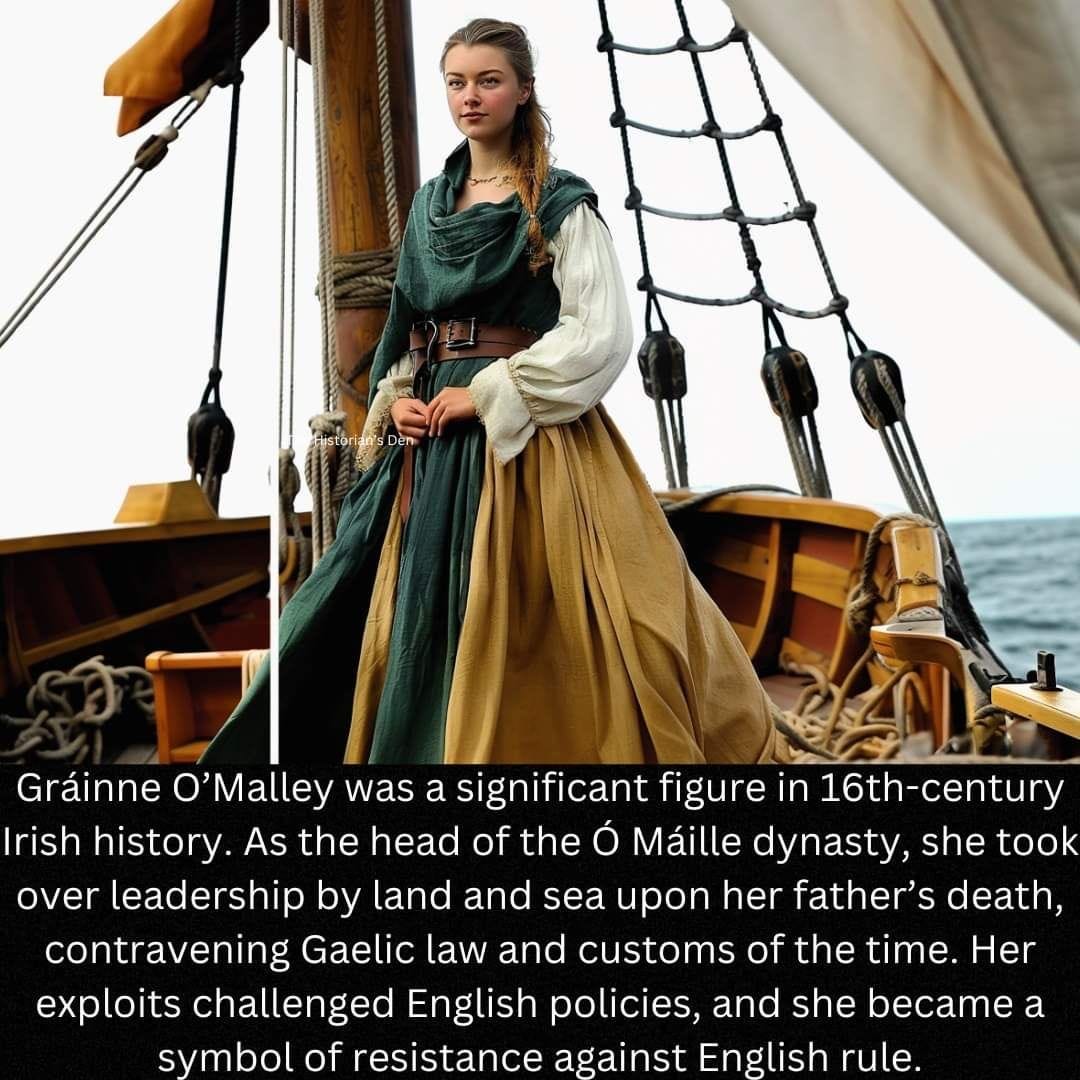
Grace O’Malley, also known as Gráinne Mhaol, was an iconic figure of resistance in 16th-century Ireland. Captaining a fleet of about twenty ships, she waged war against English forces and defended her territory from rival clans. Her famous meeting with Queen Elizabeth I displayed her astute negotiation skills, wherein she successfully petitioned for her captured family members’ release. O’Malley’s legacy survives in folklore, embodying the spirit of Irish defiance, strength, and the complexity of female leadership in a time of conflict.
Ching Shih: Commander of the Red Flag Fleet

Ching Shih, the most successful pirate in history, began life in poverty and was a prostitute. After marrying the infamous pirate Zheng Yi, she rapidly ascended to power. Upon her husband’s death, she took command of the Red Flag Fleet, leading hundreds of ships and tens of thousands of pirates. She implemented a robust code of conduct, ensuring loyalty and discipline within her ranks. Her refusal to back down against Chinese naval forces established her as a formidable opponent. In a remarkable twist, she negotiated an amnesty that allowed her to retire with her wealth intact, some legends say she went on to run a brothel and/or a casino. In a career that almost always ended with execution, this made her the most successful pirate of all time.
Fearless Partners in Crime-Anne Bonny and Mary Read: The Infamous Duo

The partnership of Anne Bonny and Mary Read remains legendary among tales of piracy. Both women exhibited fierce independence and physical prowess on the high seas, often revealing themselves as women only after they had made a name for themselves as skilled pirates. Together, they engaged in raids alongside Calico Jack’s crew during the early 18th century, showcasing a unique blend of camaraderie and rebellion against male dominance in their ranks. They became symbols of feminine defiance, their story underscoring the capacity for women to break free from societal constraints regardless of the times.
Rachel Wall: The Last Woman Executed in Massachusetts
Rachel Wall’s ascent to piracy offers another captivating story. Born in Pennsylvania, Wall turned to piracy after her husband died and she struggled to make ends meet. Known as the last woman executed in Massachusetts, she and her crew employed deceptive tactics to lure unsuspecting ships into their trap. Wall’s trial and execution serve not only as a tragic end but also as a reminder of the complex lives of women who navigated both piracy and societal expectations during their lifetimes.
Their Strategies and Tactics in Piracy
The strategies employed by female pirates like Anne Bonny, Mary Read, and Rachel Wall reflect their innovative approaches to the art of piracy. They often utilized deception and cunning — traits traditionally associated with male pirates. Their success stemmed from their ability to navigate not just the seas but also the intricate dynamics of their gendered world, challenging perceptions and making significant strides in a male-dominated society.
The Role of Women in Piracy Beyond Combat
Some women didn’t go on the high seas. They still played a significant role, even if it was a support role. This went beyond how pirates were usually portrayed.
Supporting Figures: Wives, Smugglers, and More
While many female pirates became well-known for their combat skills and leadership, numerous women contributed to piracy in various supporting roles. Some acted as smuggler counterparts, while others created safe havens for pirates. Many married pirates and managed their ships or businesses during their husband’s absence. This network of women played crucial roles in sustaining piracy, evidence that female agency existed beyond the traditional portrayals of pirates.
Cultural Perceptions of Women in Piracy
Cultural perceptions of female pirates have been influenced by their historical portrayal in literature and media. Often romanticized, these figures symbolize defiance and freedom. They challenge traditional gender norms, transforming from mere side characters in male-dominated narratives into heroines capable of fierce independence. The legends surrounding them often depict women as powerful forces, capable of swaying the tides of piracy.
Female Pirates in Modern Fiction and Culture
In contemporary culture, the legacy of female pirates continues to inspire. Movies, books, and television have embraced their stories, painting them as symbols of liberation and rebellion. These adaptations often blend fact with fiction, creating compelling characters who embody the spirit of adventure and challenge the norms of their times. The romanticized portrayals of figures like Anne Bonny and Mary Read serve to celebrate the resilience and audacity of all women who forged paths in uncharted territories, erasing the limitations of their historical contexts.
The legacy of lady pirates is a tapestry woven with tales of bravery, resistance, and adventure on the high seas. Their stories remind current generations of the power of women’s agency against formidable odds, ensuring that their remarkable contributions to history are not forgotten. With every telling, their legacy becomes richer, inspiring new generations to challenge expectations and embark on their journeys, whether on the high seas or beyond.
Reference