That’s right, a literal article about cute, sassy pets being cute and sassy
I know I wrote articles on heavy topics over these last weeks, so I think this week, we can do with a little bit of brain bleach. And what better brain bleach than an article about cute animals? Even if this is the first article of mine that you read, welcome and my point stands.
In a previous article, I discussed how cute pets often are allowed to behave in naughty ways because they’re cute. This article will go further in depth of behaviors that are naughty and cute, as well as why they happen, explaining ways to deal with these behaviors without changing who your pet is as a member of your family. By accepting their personalities and offering ways to redirect, your bond can strengthen. I had a very long week when my cat, Princess Daisy was reminding me to take time from the screen to play with her. Most of it was head butting my foot or hand for pets, while meowing.
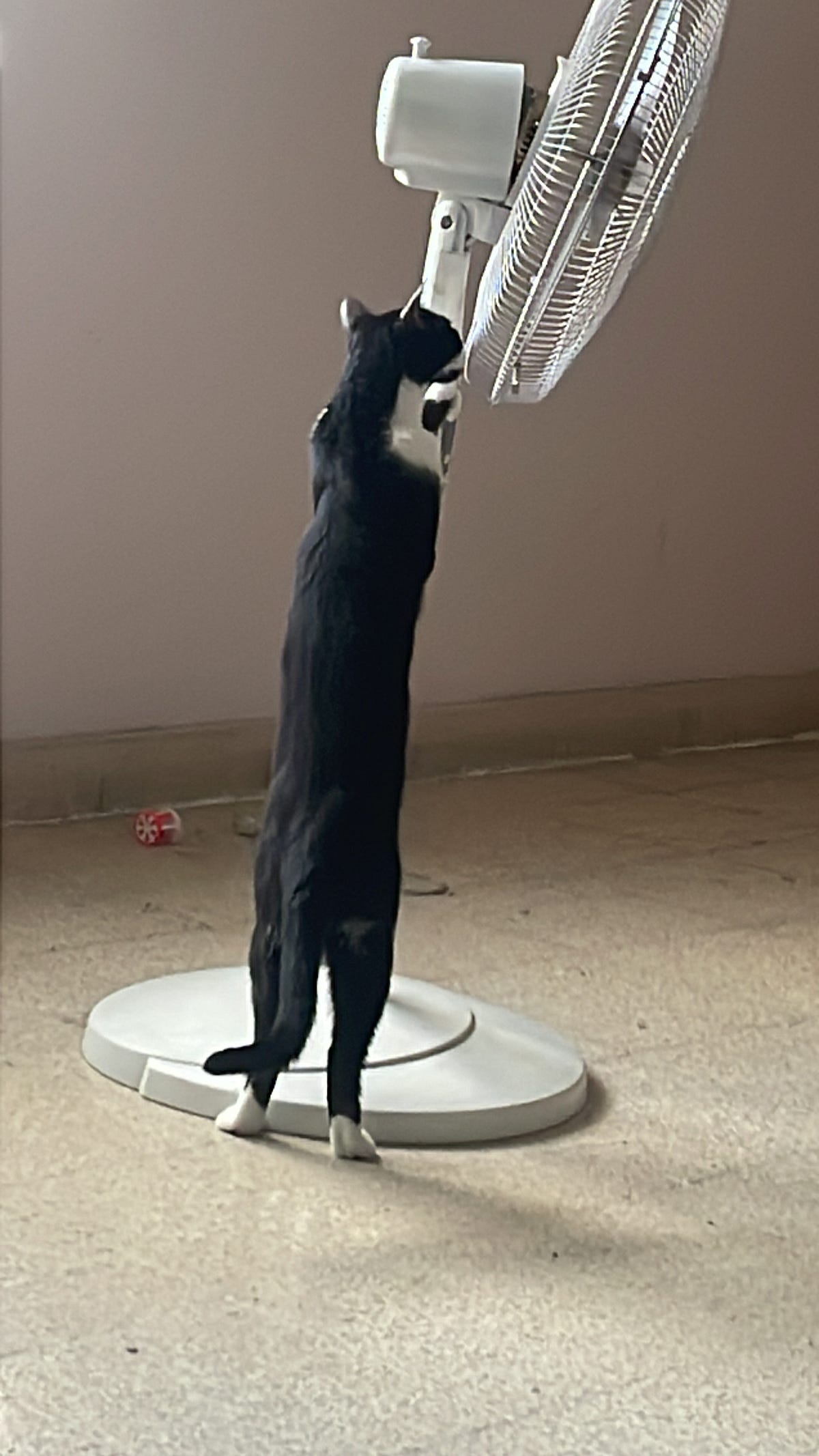
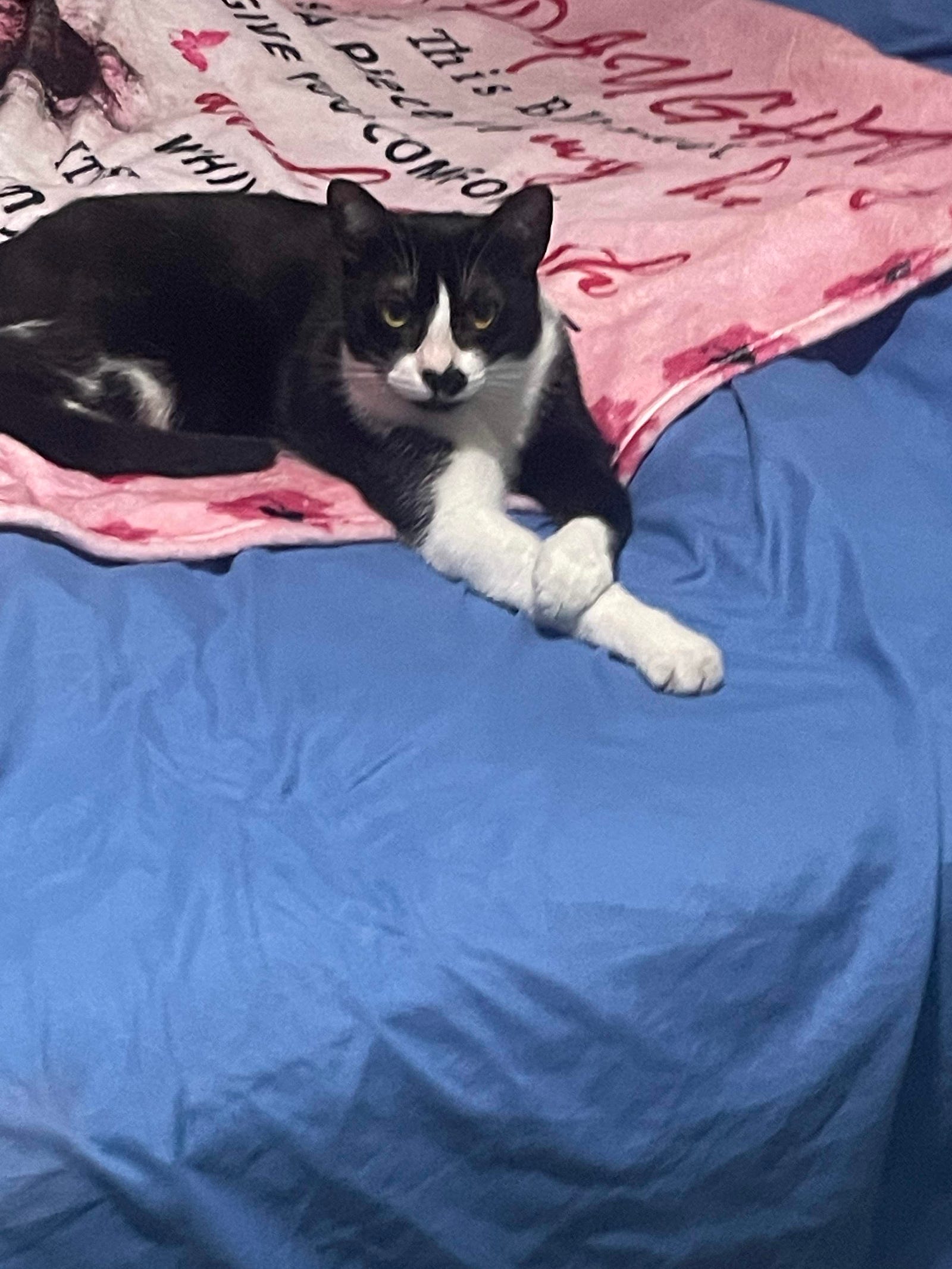
One thing I noticed is that cuter pets, such as cats, dogs, bunnies and birds, tend to be extremely cheeky.
In other words, yes, my research for this article involved watching a lot of cute pet videos and interacting with my cat. I had to step away for a bit and cuddle Daisy or a stuffed animal to deal with cute aggression.
Pets are an integral part of many people’s lives. They bring joy, comfort, and companionship to individuals and families alike.
However, to truly nurture a healthy and fulfilling relationship with our pets, it is essential to understand their behavior. By gaining insight into the way our pets think and act, we can provide them with the care and environment they need to thrive. The relationship between humans and animals is an extraordinary bond that has been cultivated over centuries. This bond is characterized by loyalty, compassion, and a deep sense of connection. Pets provide us with unconditional love, companionship, and emotional support, enriching our lives in countless ways. As we continue to understand and appreciate the unique bond we share with our pets, we nurture a relationship that benefits both parties involved.
Importance of understanding pet behavior
Understanding pet behavior is crucial for several reasons. It allows us to interpret our pets’ actions and emotions accurately. By knowing what certain behaviors mean, we can respond appropriately and address any potential issues or concerns. Additionally, understanding pet behavior helps us build a strong bond with our furry friends, as it enables effective communication and enhances the overall quality of our interactions.
Pets may exhibit a wide range of behaviors, each with its own significance. Some common behaviors seen in pets include wagging tails, purring, scratching, barking, meowing, or playfully chasing objects. These behaviors can convey different messages, such as happiness, excitement, fear, or the need for attention. By familiarizing ourselves with these behaviors, we can better understand our pets’ emotional states and provide the necessary care and support they require.The environment plays a pivotal role in shaping pet behavior. Pets are sensitive to their surroundings, and factors such as living conditions, socialization, and daily routines can greatly influence their behavior.
For example, a dog that is regularly exposed to loud noises may develop anxiety or fearfulness.
Conversely, a well-socialized cat raised with positive experiences may be more confident and outgoing. Being aware of the impact of the environment allows us to create a safe and nurturing space for our pets to thrive. Another thing to keep in mind is instinct. Bunnies are prey animals, being very easy to frighten especially if picked up. Bunnies also typically live between 8 to 12 years in captivity. Because of this, it takes a long time to earn their trust and they’re not nearly as vocal as cats and dogs, therefore it is important to pay attention to the signs of a happy bunny. It also takes time to earn the respect of a cat, but cats usually are known to purr if they’re happy and purring is louder.
Naughty, sassy Traits in Pets
While many pet behaviors are lovable and endearing, some pets can also exhibit naughty, sassy traits. These behaviors, although naughty at times, can still bring a smile to our faces. Recognizing and understanding sassy behavior in pets is important for effective management and maintaining a harmonious relationship.
Identifying sassy behavior in pets
Sassy behavior can present itself in various ways, depending on the type of pet. In cats, it may manifest as playful aggression, such as swatting or biting during playtime, or in backtalk, such as answering when you are speaking. It may also occur when you are busy and the cat walks right in front of the thing taking your attention, if not sitting directly on top of it. Dogs, on the other hand, may exhibit sassiness through stubbornness or backtalk, such as refusing commands or barking in defiance. There are stories that learned the commands to be a service dogs, but instead used these commands to be absolute menaces to the guardians they gain when they are adopted into their new homes. Bunnies can display sassiness through cheeky behaviors like nudging or throwing objects or biting if they’re not done being pet yet. It’s important to note that sassy behavior should not be mistaken for aggression or disobedience, but rather seen as playful and lively behavior.
Reasons behind Brazen Behaviors
Pets may exhibit naughty behavior for several reasons. Some pets may engage in these behaviors to seek attention, especially during times when they feel neglected or bored. Others may display sassiness as a form of self-expression or to communicate their needs. In certain cases, sass could be an outcome of a pet’s individual personality traits. Understanding the underlying reasons can help us address the root cause and manage sassy behavior effectively.
Tips for managing naughty behavior in pets
Managing naughty behavior in pets requires patience and understanding. Here are some tips to help you navigate and address sassy behavior:
Positive Reinforcement: Use positive reinforcement techniques to reward desired behaviors and discourage such behaviors. Rewarding pets for good behavior encourages them to repeat those actions.
Engage in Playtime: Provide structured playtime activities to channel your pet’s energy in a positive way. Interactive toys and games can help redirect sassy behaviors into more appropriate outlets.
Consistency in Training: Establish consistent rules and boundaries for your pet. By setting clear expectations and providing consistent training, you can help your pet understand what behavior is acceptable.
Seek Professional Guidance: If insubordinate, sassy behavior persists or becomes problematic, consider seeking guidance from a professional animal behaviorist or a veterinarian with experience in behavior management.
Patience and Understanding: Remember that cheeky or insubordinate behavior is often a reflection of your pet’s unique personality and individual needs. Approach their behavior with patience, understanding, and a sense of humor.
Lovable Aspects of Pet Behavior
While sassy behavior can add a touch of mischief to our lives, there are countless lovable aspects of pet behavior that warm our hearts and bring joy to our daily routines. Understanding and appreciating these lovable behaviors helps strengthen the bond between pets and their owners.
Pets express their love in various ways, often through gestures and body language. Dogs wag their tails, jump with joy, and shower us with affectionate licks. Cats purr, rub against our legs, and curl up in our laps. Bunnies may nudge us or snuggle up beside us. Recognizing and reciprocating these expressions of love creates a deep sense of connection between pets and their owners.
Engaging in bonding activities with our pets fosters a sense of trust and strengthens our relationship with them. Going for walks, playing games, or simply spending quality time together can create lasting memories and deepen the bond we share. These activities provide mental and physical stimulation for our pets while offering opportunities for us to understand their unique personalities better.
Impact of lovable pet behavior on owners’ well-being
The lovable behavior displayed by our pets has a significant impact on our overall well-being. Numerous studies have shown that spending time with pets can lower stress levels, reduce blood pressure, and increase feelings of happiness and contentment. Studies have also shown that cats put at a frequency that can reduce blood pressure(a sleeping cat could also reduce stress and blood pressure, but there haven’t really been many studies on it. There may not need to be studies, so much as the cute and silly positions they get into), as well as helping to heal infections and broken bones. The unconditional love and companionship provided by pets contribute to improved mental and emotional well-being, making them cherished members of our families.
Nurturing a Healthy Pet Relationship
Building a healthy and fulfilling relationship with our pets requires effort and understanding from both parties involved. By following a few simple guidelines, we can lay the foundation for a strong bond built on trust, respect, and mutual appreciation.
Building trust and respect with pets
Trust and respect are fundamental pillars of any relationship, including the one we have with our pets. Building trust involves being consistent, reliable, and meeting our pets’ physical and emotional needs. By providing food, shelter, exercise, and affection, we show our pets that we value and care for them. Respect entails recognizing our pets as individuals with their own preferences and boundaries, allowing them to make choices within safe limits.
Maintaining a balanced and harmonious relationship
Maintaining a balanced and harmonious relationship with our pets requires open lines of communication and clear boundaries. Just as we communicate through body language, vocal cues, and commands, our pets communicate with us through their own language of barks, meows, and gestures. By paying attention to their signals and understanding their needs, we can create an environment where both pet and owner feel heard and understood.
What are your thoughts? Feel free to share your experiences in the comments below and keep your eyes peeled for the Discord server coming in the future, as well as any PDFs to help.
Reference:
- Why are Pet Bunnies so Sassy? (answers will vary)
- For People who had a Sassy Bunny, Did You Manage to Make Them Cuddly?
- Service Dog Fails, Shortcomings and Horror Stories
- Service Dog Flunks Out of Training School in Spectacular Fashion
- How Cats Help Improve Mental Health
- Why do cats have to stomp all over my keyboard when I am busy at the computer?
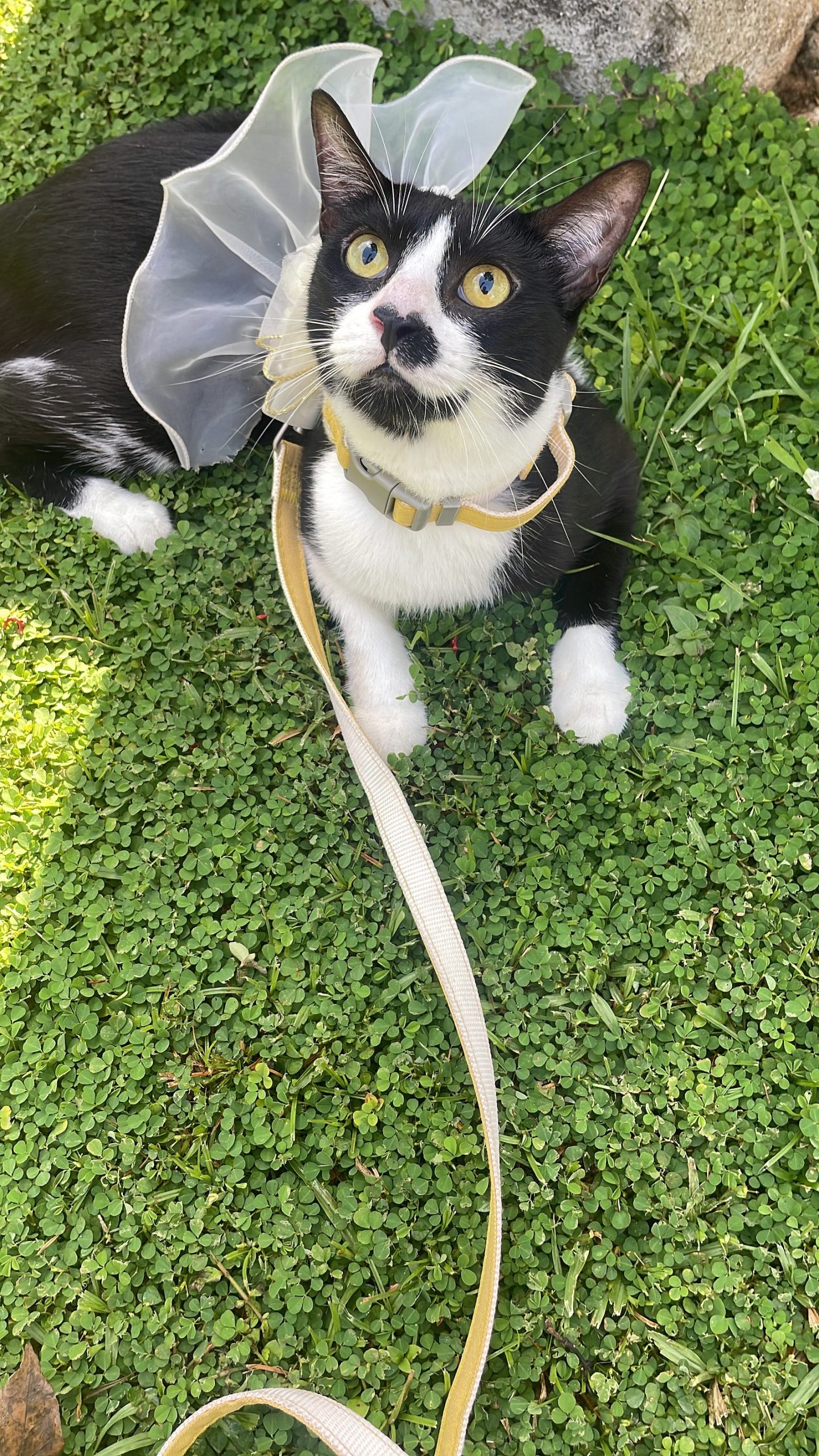
All of these pictures are of my personal cat, Princess Daisy.